Online

 Home
Home




Expanding your home with a room addition is a common way to increase living space without relocating. Homeowners often consider the option of a room addition in San Diego to accommodate growing families, create home offices, or enhance functionality. This guide explains the key aspects of planning, designing, and constructing room additions, helping you understand costs, permits, and design considerations.
Understanding the Value of a Room Addition
Room additions provide several practical benefits beyond simply adding square footage. It goes about:
- Functionality: Additional rooms can improve household workflows, separate living and working areas, or provide dedicated spaces for hobbies and recreation.
- Future-Proofing: Adding a room can address anticipated needs, such as a growing family, aging-in-place considerations, or home offices for remote work.
- Cost Considerations: Building onto your existing home can often be more cost-effective than moving, avoiding real estate fees, relocation costs, and taxes.
- Space Optimization: Smartly designed additions can improve traffic flow, natural light, and overall usability of your home.
By carefully evaluating your home’s current needs and anticipated changes, a room addition can provide both immediate comfort and long-term value.
Types of Room Additions
Room additions can serve a wide range of needs. Common types include:
- Bedrooms: Expanding sleeping areas can relieve crowding and improve privacy. Consider adding closets, windows for natural light, and easy access to bathrooms.
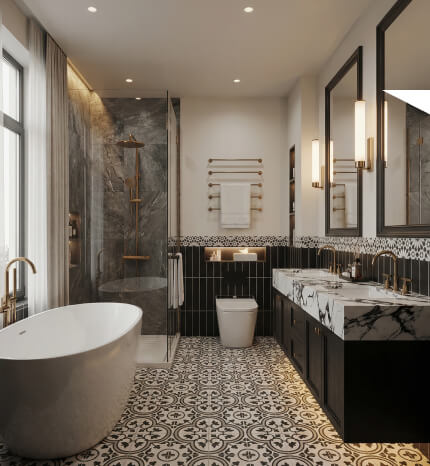
- Bathrooms: Extra bathrooms reduce morning bottlenecks and enhance daily convenience. Consider full baths, half baths, or master suites.
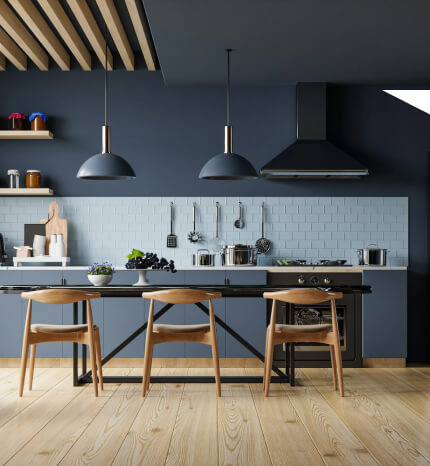
- Kitchens: Expanding or reconfiguring kitchens accommodates larger families and entertaining. Kitchen additions may include islands, pantries, and open-plan layouts.
- Living Rooms: Enlarging living or family rooms can improve comfort and usability. Consider flow with existing spaces and furniture placement.
- Home Offices or Studios: Dedicated workspaces are increasingly important with remote work trends. Plan for lighting, soundproofing, and connectivity.
- Sunrooms or Multi-Purpose Rooms: These spaces can serve multiple functions, including relaxation, dining, or exercise, often taking advantage of natural light.
Each type of addition requires careful planning to ensure that it blends seamlessly with your existing home while meeting your practical needs.
Planning Considerations
Proper planning is the foundation of a successful room addition. Before beginning construction, it’s important to understand how the new space will integrate with your existing home, how it will be used, and how it may affect your budget and daily routines. The planning stage includes the following steps:
- Current Layout Assessment: Identify areas where additional space is feasible, considering load-bearing walls and structural limits.
- Setting Goals: Determine the purpose of the addition and how it fits with your lifestyle. Consider how the room will be used now and in the future.
- Budget Planning: Account for materials, labor, design fees, permits, and contingencies. Costs vary depending on room type, size, and complexity.
- Timeline and Disruption: Plan how construction will impact daily routines. Large projects can take several months, while small additions may be shorter.
- Zoning and Permits: Review city regulations, setback requirements, and HOA guidelines if applicable. Consider that San Diego home additions require special permits for most structural additions.
Thoughtful planning reduces surprises, ensures compliance with local regulations, and allows you to make design choices that enhance both comfort and long-term functionality. It ensures that your addition will be designed to suit your family’s needs for years to come.
Design and Layout Tips
When planning San Diego room additions, thoughtful design is just as important as structural planning. The layout you choose will directly affect how comfortable, functional, and visually appealing the new space feels. Early design considerations can prevent costly mistakes and ensure that the addition complements your existing home. Keeping the following principles in mind will help you make specific design decisions:
- Flow and Accessibility: Ensure the new room connects logically with existing spaces. Consider hallway width, door placement, and entry points.
- Natural Light: Plan for windows or skylights to enhance light and ventilation.
- Storage Solutions: Integrate closets, cabinets, or built-ins to maximize usability.
- Energy Efficiency: Consider insulation, windows, and HVAC adjustments to maintain comfort and reduce costs.
- Compatibility with Existing Home: Match architectural style, materials, and finishes to maintain a cohesive look.
Careful attention to these aspects helps create a space that meets both practical needs and aesthetic preferences. Thoughtful design minimizes disruptions to existing spaces and ensures that the new addition feels like a natural extension of your home.
Construction Overview
A typical construction process for home additions in San Diego involves several stages:
- Site Preparation: Clear the area, protect existing structures, and manage debris.
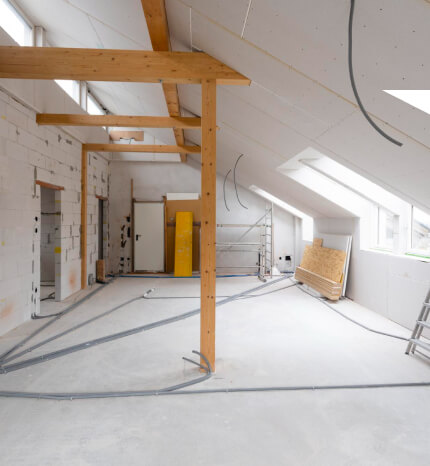
- Foundation and Framing: Build structural supports appropriate for the room size and design.
- Utilities Integration: Extend plumbing, electrical, and HVAC systems as needed.
- Exterior and Interior Finishes: Install siding, roofing, flooring, cabinetry, and paint.
- Inspection and Compliance: Ensure all work meets building codes and passes inspections.
- Final Review: Check that layout, finishes, and functionality align with plans.
Being aware of the sequence of construction steps helps homeowners anticipate disruptions and better coordinate their schedules.
Home Addition in San Diego: Factors Influencing the Cost
Understanding the costs involved in a home addition is essential for effective planning and budgeting. Every decision – from size to materials – can significantly impact the final price. Being aware of the major cost drivers allows homeowners to prioritize features, plan for contingencies, and avoid unexpected expenses. By breaking down the key factors, you can gain a clearer picture of how your choices influence overall project costs:
- Room Size: Larger rooms require more materials and labor.
- Room Type: Kitchens and bathrooms are more expensive due to plumbing and appliances.
- Materials and Finishes: Choices like hardwood flooring or custom cabinetry increase costs.
- Structural Adjustments: Reinforcing foundations, relocating walls, or roof modifications can affect budgets.
- Permits and Fees: Permit costs vary depending on project scope and San Diego regulations.
- Design Complexity: Unique layouts, vaulted ceilings, or multiple stories require additional planning and labor.
Understanding these factors allows homeowners to make informed decisions and anticipate budget implications.
Planning for Future Needs
Consider long-term uses of your room addition:
- Multi-generational living: Bedrooms or suites for aging family members.
- Flexible spaces: Rooms that can switch between office, gym, or guest use.
- Energy efficiency: Planning for insulation, lighting, and climate control.
- Resale value: Rooms that meet common buyer expectations, such as additional bathrooms or open-concept spaces.
Planning for future changes ensures that your addition remains functional and valuable for years.
Potential Obstacles in Home Additions and Practical Solutions
Room additions can be complex projects, and understanding potential challenges beforehand can help homeowners plan more effectively. Every addition presents unique structural, logistical, and design considerations that, if overlooked, can lead to delays or increased costs. The following key challenges are frequently encountered in room addition projects, along with practical strategies to address them:
- Structural Limitations: Evaluate load-bearing walls and foundation requirements early.
- Budget Overruns: Use detailed estimates and contingency planning to avoid surprises.
- Delays: Coordinate timelines and material procurement carefully.
- Design Conflicts: Use drawings or 3D models to visualize integration with the existing home.
- Permit Compliance: Early communication with city inspectors prevents violations.
By anticipating common issues, you can make informed decisions, coordinate with professionals more efficiently, and reduce stress throughout the construction process.
Sustainable and Energy-Efficient Additions
Designing a room addition with sustainability in mind not only benefits the environment but can also reduce long-term energy costs for homeowners. Incorporating energy-efficient features early in the planning phase ensures that the addition operates efficiently without requiring costly retrofits later. The following strategies illustrate key ways to achieve a more energy-efficient and environmentally conscious room addition:
- Insulation and Windows: Energy-efficient materials reduce heating and cooling costs.
- Efficient HVAC and Lighting: Proper sizing and zoning improve energy use.
- Sustainable Materials: Consider recycled, low-VOC, or renewable materials.
- Smart Home Integration: Plan electrical and climate controls for future adaptability.
Sustainable design can improve comfort, reduce utility costs, and increase long-term home value.
Integrating Room Additions with Outdoor Spaces
When planning an addition, consider its relationship with your yard or patio:
- Align doors and windows to connect indoor and outdoor spaces naturally.
- Use landscaping to maintain privacy while enhancing curb appeal.
- Ensure proper drainage and grading near new foundations.
- Consider patios or decks that complement the new room for functional outdoor living.
Proper integration enhances overall home usability and preserves property aesthetics.
Questions to Ask San Diego Room Addition Contractor before Starting the Project
Before starting a room addition, it’s important for homeowners to gather all necessary information to make informed decisions. Asking the right questions early in the planning process can help identify potential challenges, clarify goals, and ensure that the project aligns with your budget and lifestyle. Taking time to consider these factors reduces the likelihood of costly changes or surprises during construction. The following questions can serve as a checklist to guide your planning and discussions with architects, designers, or contractors:
- What is the total square footage needed for the new room?
- Are there zoning or HOA restrictions affecting design?
- How will the addition impact utilities and existing systems?
- What is a realistic timeline and budget for construction?
- Can the space be designed for multiple functions over time?
Estimate Your San Diego Remodeling Costs Online


Tips for Multi-Use or Flexible Additions
Designing a room addition with flexibility in mind allows the space to adapt to changing household needs over time. Considering potential future uses during the planning stage can save money and increase the long-term functionality of the room. Flexible design also helps maximize usability and ensures that your addition remains practical as your lifestyle evolves. The following tips can guide you in creating a versatile space that meets both current and future needs:
- Use modular furniture or built-ins to adapt the space for different functions.
- Design for future technology needs, such as additional electrical outlets or data ports.
- Choose neutral finishes that can work with changing décor preferences.
- Plan circulation and storage to accommodate various uses.
Flexible designs increase the long-term usefulness and value of your addition.
FAQ
Can a room addition be designed for multiple uses?
Yes. Many homeowners plan additions to be flexible, such as a home office that doubles as a guest room or a sunroom that can also serve as a play area, maximizing long-term usability.
Do I need any permits?
Yes. Most additions require permits in San Diego, including structural, electrical, and plumbing approvals. Permits ensure safety, compliance, and protection for future resale.
Can I stay in my home during construction?
Often yes, but living arrangements may need adjustments. Dust control, noise management, and safety barriers are essential to maintain a safe environment.
What types of room additions are most common?
Bedrooms, bathrooms, kitchens, and offices are the most frequent additions. Multi-purpose rooms or sunrooms are popular for enhancing light and usability.
How should I budget for a room addition?
Start with a detailed estimate covering materials, labor, and permits. Include contingency for unexpected costs. Prioritize essential features and phase upgrades if needed.
Start Designing Your Room Addition with Confidence
Ready to expand your home with professional room addition contractors in San Diego? Our team provides expert guidance from concept to completion. Schedule a consultation to discuss your goals, needs, and budget.
Whether you need additional bedrooms, bathrooms, or versatile living spaces, our team can deliver practical, well-planned, and lasting results.